
I have been looking forward to spring backpacking since my last trip of the fall. When the opportunity to join aa shake-out trip with experienced crew of backpackers arose, I jumped on it!
A shake-out trip is essentially a warm-up for the season: a short backpacking trip at the beginning to brush the dust off, test new gear, and “shake-out” any kinks. Our shake-out trip took an unexpected turn when temperatures nosedived and the expected morning drizzle turned to snow. We showed up to 4 fresh inches on the trail.
Being cold is something I hate vehemently. I had been watching the weather app all week, as it declined from easy breezy mid-fifties to a nighttime low of 35. I began to worry if I had warm enough gear, and this is all before snow came into play. I grabbed as many warm layers as I own, shoved a handful of hand-warmers in my pack, and swapped my 30-degree bag for my partner’s 20 degree at the last minute. We were off.
I made my way via-subway to Penn Station — an adventure in itself — to meet the rest of the crew and hop on New Jersey Transit. We were headed to Harriman State Park to camp near one of the lean-tos off the Appalachian trail.
Nobody was aware of the four inches of snow that would greet us only an hour north. I had never camped in snow before, but I knew members of this group had done an overnight in Harriman a couple months prior, when temps were in the teens. So I felt I was in good hands. I ended the trip with a huge boost of confidence, and bursting with excitement over this new experience.
Below are some of the bits of knowledge I picked up on this trip. I’m so grateful to get outside with people who know more than me. If you’re reading, let me know if any of these are new to you!
An Emergency Blanket on the Tent Floor
As I mentioned above, I was worried my gear wasn’t quite warm enough for the temps. My sleeping pad was only rated 3.2. A member of the group recommended I lay an emergency blanket down in my tent to help keep the heat in and the cold out. I stayed cozy in my tent and it also helped keep everything dry as the snow melted.
In cold conditions, cooking fuel loses effectiveness or even fails!
This one really made me think, ‘Wow I’m glad I didn’t have to find this out the hard way…’ Luckily between all of us, we were able to prep our hot meals and coffee. I kept my fuel inside the tent with me at night, and in really cold temps I was told to keep it in the sleeping bag with me. Good to know.
A Small Saw and Magnesium Fire Starter
The crew managed to get an impressive fire going (I take no credit for this) — but only due to multiple folks having brought fire starter and someone having a saw to cut live wood. The wood on the ground was soaked through so this was absolutely essential. The game changer was magnesium fire starter which, when thrown into a small fire, heats quickly and helps to get the fire going.
After the trip I researched this a bit more and found there are a lot of benefits to magnesium fire starter. It’s definitely getting a spot in my bag for any future potentially-chilly trips.
- It is water-resistant and can help get a fire going even in wet conditions.
- Its lightweight, so won’t compromise your pack weight all too much.
- Reliable and easy to use — unlike alternatives such as lighter fluid
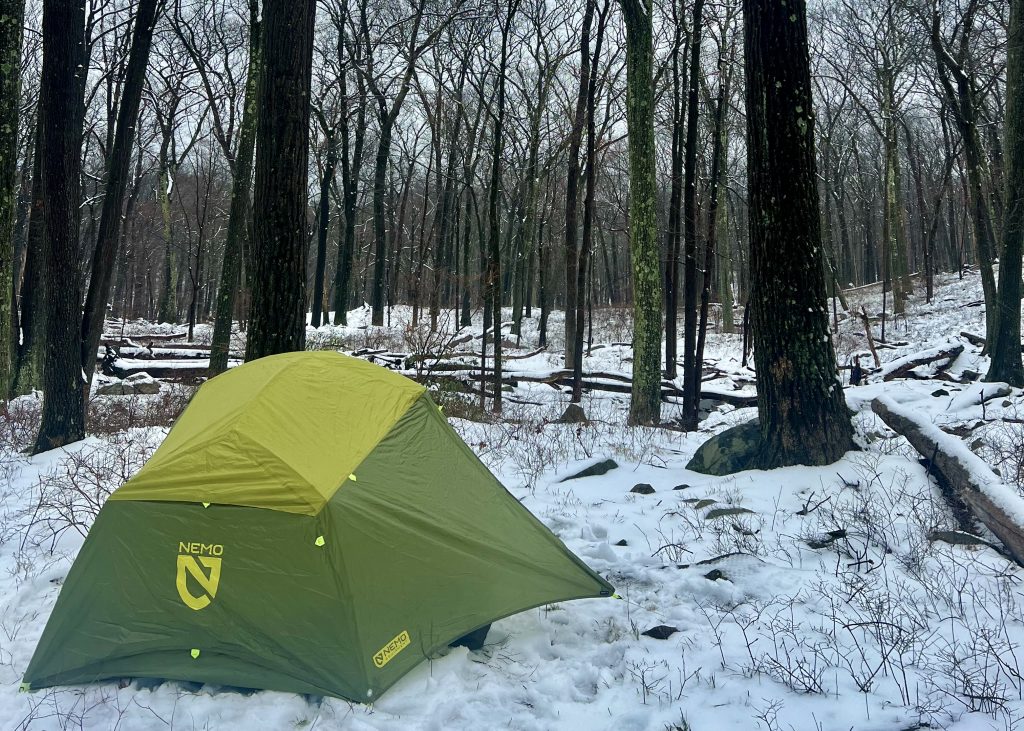
How I stayed Warm at Night: the Full sEtUP
It was 35 from around 8pm to 5am when the sun rose. This kept me comfortable.
Gear
- 3-Season Nemo Tent
- Emergency Blanket on tent floor
- R 3.2 Thermarest Pad
- 20-degree Down Sleeping Bag
- Sea-to-summit Fleece Liner
Clothing
- Merino Wool Base Layers
- Leggings
- Fleece Top
- Cotopaxi Puffer
- Balaclava
- Beanie
- Wool Socks
- Northface Down Booties
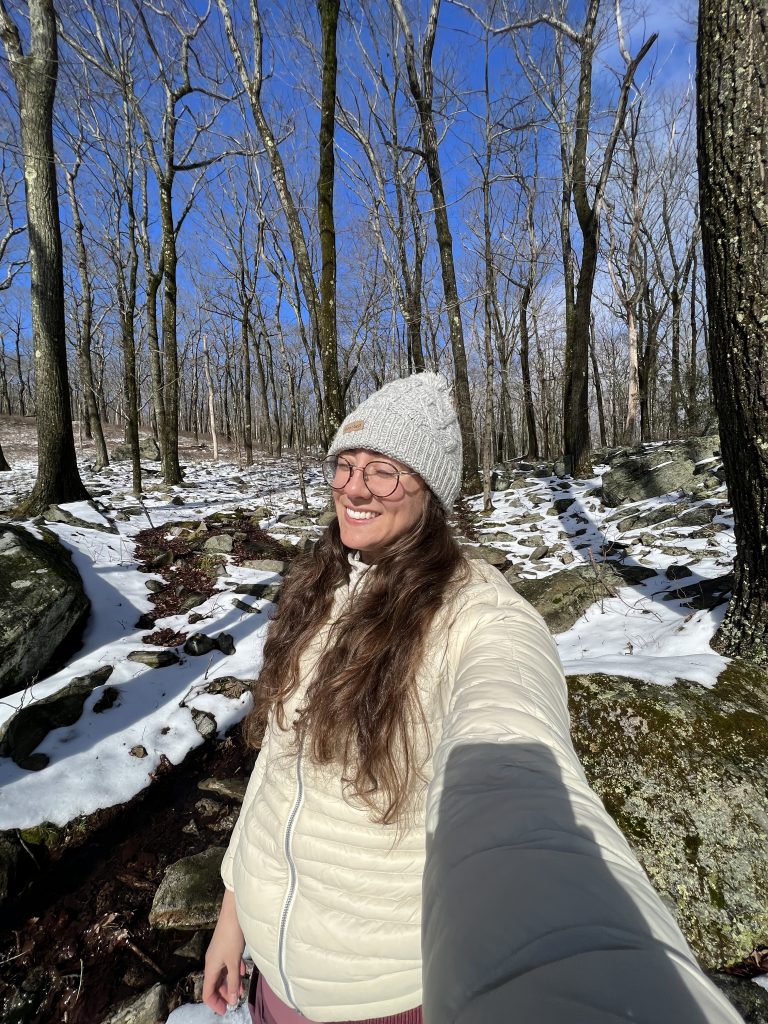
The next morning, we were greeted by higher temps and sunshine that felt oh so good!


Leave a Reply